


Welcome to AiQ Consulting | Aviation Consulting

For hub, regional and business airports worldwide, we are your trusted partner.

Solving complex demand and capacity challenges with innovative consulting, modelling, and forecasting services. We make it our business to get to the root of your problem and generate creative solutions.

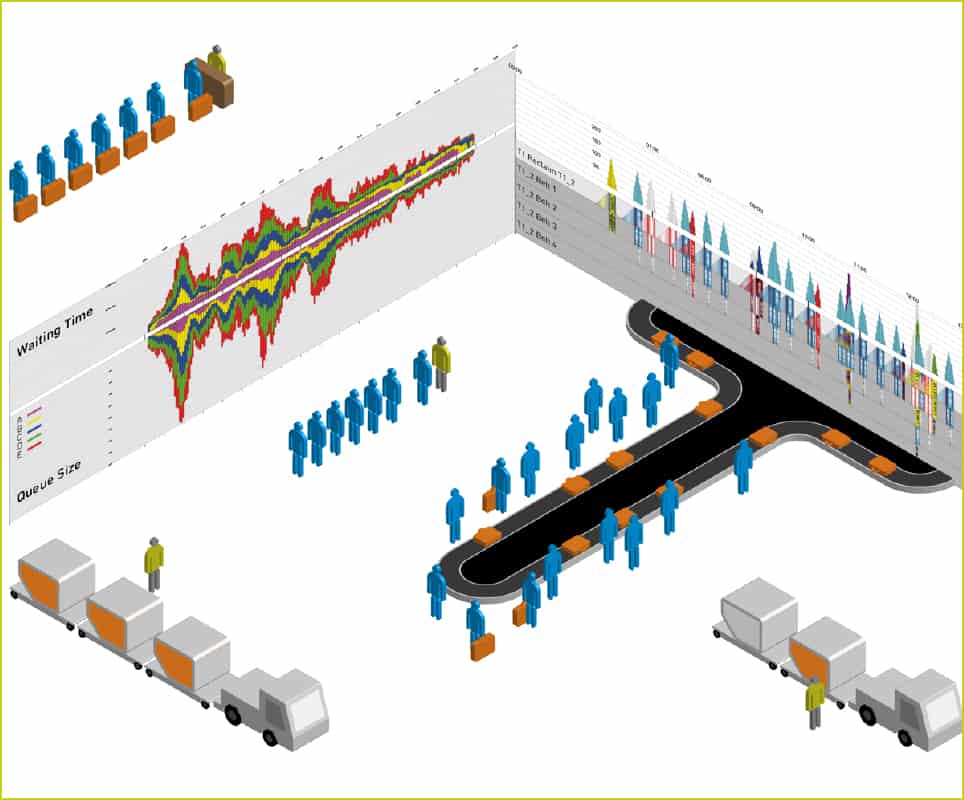
Analysing the entire airport from kerbside to airspace involving passengers, baggage, cargo, aircraft, transfer system, ground support equipment and resources.

Simplifying your decision making through 2D, 3D and VR modelling and simulations using our in-house bespoke software.

Maximise your competitive advantage, reduce risk and future proof your operation – with our Airport intelligence.

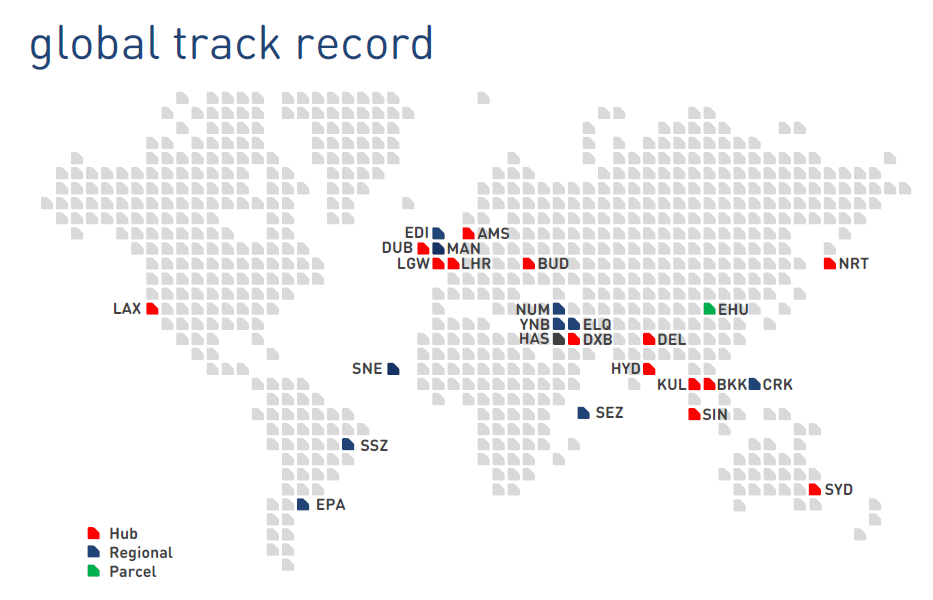
 

Airport Consulting

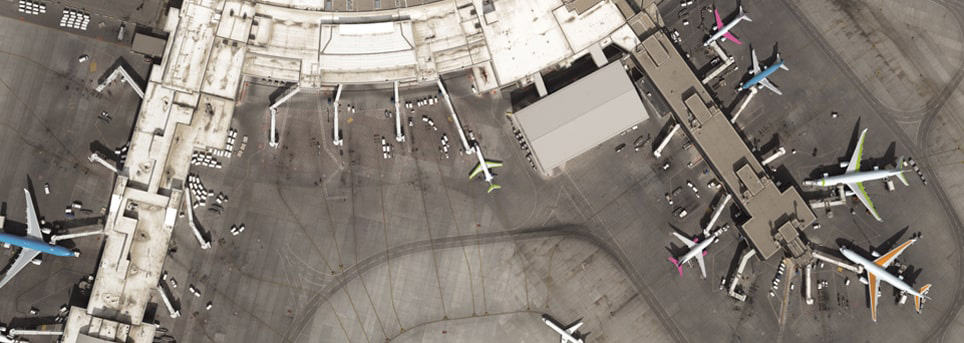
We have over 20 years of experience in Aviation Consulting. Carrying out integrated end-to-end airport consultancy, demand forecasting, capacity planning and simulation studies. Whether operational or strategic advice, we help you to keep pace of existing and future demand.
> Discover more

News

Sign up for our News Alerts >
  • Why Airport Master Plans Need to Be Living Documents

    Can an airport master plan written five or ten years ago still provide the right roadmap for the future? Airport master plans traditionally look 20 years ahead, setting out a vision for infrastructure, capacity and development. But aviation is an industry that rarely stands still. Passenger demand shifts, airline strategies change, technology advances and sustainability expectations evolve. A plan that once provided a clear direction for growth can quickly become less relevant if the assumptions behind it are no longer accurate. The challenge for airport operators is to balance long-term strategic planning with the flexibility to respond to changing circumstances. This means moving away from treating master plans as fixed blueprints and recognising them as living documents that need regular review. Read more »
  • Making Better Airport Decisions Through Data

    Airports operate in an environment where decisions can have long-term consequences. Whether planning a terminal expansion, assessing future passenger demand, investing in new infrastructure or improving day-to-day operations, airport teams need to balance capacity, cost, service levels and uncertainty. That is where modelling and analytics can make a real difference. Used effectively, data can help airports move beyond assumptions and provide a clearer evidence base for investment and operational planning. Read more »
  • Five Questions Every Airport Should Ask Before Investing in New Infrastructure

    Airport infrastructure investment is rarely a small decision. Whether the proposal involves a terminal expansion, additional stands, a new baggage system, expanded processing facilities or changes to the airside environment, major projects require significant capital, time and long-term commitment. But before committing to new infrastructure, airports should first ask a more fundamental question: Do we actually need to build more? In many cases, the answer may be yes. But understanding exactly where the problem lies, whether it can be addressed through operational improvements, better use of existing assets or a different approach, can make the difference between an investment that delivers long-term value and one that simply adds capacity without solving the underlying issue. Here are five questions every airport should consider before moving ahead. Read more »
  • How AI Is Beginning to Change Airport Planning

      Artificial Intelligence (AI) has quickly become one of the most talked-about technologies across almost every industry, and aviation is no exception. While headlines often focus on futuristic concepts and fully autonomous airports, the reality is that AI is already beginning to influence airport planning in more practical and measurable ways. For airport operators, planners and consultants, AI presents an opportunity to work smarter, analyse larger volumes of data and make better-informed decisions. However, the most successful applications are unlikely to replace human expertise. Instead, they will enhance it. Read more »